How to Polish Diamond Plate Aluminum: Toolboxes, Running Boards and Trailers

Short answer: to polish aluminum diamond plate, wash it with soap and water, scrub the grooves with a soft brush, and dry it. Then apply a non-abrasive aluminum polish in small sections, working it into the raised diamonds and the flat areas between them with a microfiber cloth or a foam pad on a drill at low speed. Buff the black residue off, brush any polish out of the grooves, and finish with a sealant so the shine lasts. Never use steel wool or a wire brush, which scratch the aluminum and leave iron particles that rust.
What diamond plate is, and why it goes dull
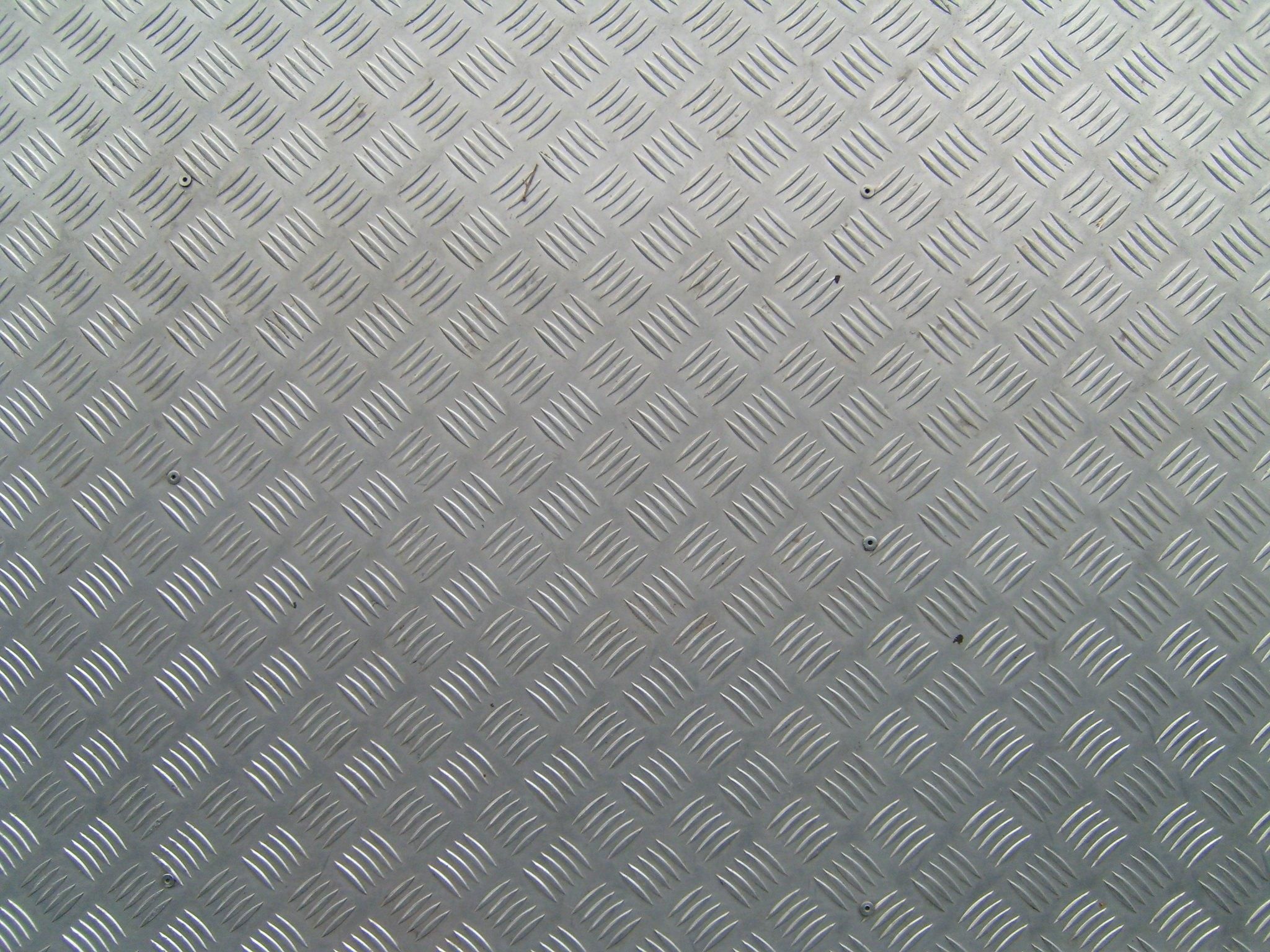
Diamond plate, also called tread plate or checker plate, is metal sheet with a raised diamond pattern rolled into one side for grip. On trucks, trailers and boats it is almost always aluminum, because aluminum is light and does not rust like steel.
You will find it on:
- Truck toolboxes, bed rails and bed caps
- Running boards and step plates
- Trailer fenders, fronts, rock guards and floors
- Ramps, loading docks and boat decks
- Garage walls, cabinets and workbench tops
Aluminum does not rust, but it does oxidize. Exposed to air, water and road grime, bare aluminum grows a dull grey or white oxide layer. On diamond plate this happens unevenly, because the raised diamonds wear and catch the light differently from the flat areas, and dirt collects in the grooves. The result is the chalky, blotchy look that makes a three-year-old toolbox look twenty.
Check what kind of diamond plate you have
| Type | How to tell | Approach |
|---|---|---|
| Bright aluminum diamond plate | Shiny from new, goes cloudy and grey. Polish turns a white cloth black. | Polish and seal, as in this guide. |
| Mill-finish aluminum | Dull, satin grey from the start. | Polish will brighten it a lot, though it may not reach the mirror look of bright plate. |
| Painted or powder-coated | Black or colored, solid finish. | Clean like paint. No metal polish. |
| Steel diamond plate | Heavy, attracts a magnet, often painted or galvanized. | Not for metal polish. Clean and keep paint or coating intact so it does not rust. |
| Chrome-plated or stainless | Mirror-like, cooler tone, barely marks a white cloth. | Polish gently. Chrome is thin, so light pressure only. |
A magnet is the fastest check. If it sticks, the plate is steel, not aluminum.
What you need
- Car wash soap or a mild degreaser that is safe for aluminum
- A soft-bristled brush, plus an old toothbrush for corners and rivets
- Plenty of microfiber cloths, and a few cheap terry towels for the first pass
- A non-abrasive aluminum polish such as Metal Gloss
- A sealant such as Sealer Gloss
- Optional for large areas: a drill or dual-action polisher with a soft foam pad or foam polishing cone, used at low speed
- Nitrile gloves. Aluminum oxide residue turns your hands black.
How to polish diamond plate, step by step
- Work in the shade on a cool surface. A toolbox in the sun gets hot enough to make polish dry too fast and streak.
- Wash it properly. Rinse, then wash with soap and a soft brush, scrubbing across the pattern in two directions so the bristles get into every groove. Grit left in the grooves will scratch the plate when you polish.
- Degrease if needed. Oil, tar and fuel stains should come off before polishing. Use a degreaser labeled safe for aluminum.
- Dry completely. Blow water out of the grooves if you can, then towel dry.
- Pick a small section. Around one foot by one foot is about right by hand. Larger sections let the polish dry before you buff it.
- Apply polish. Put a small amount on a folded cloth or pad. Work it over the section in overlapping circles, then in straight lines in two directions. Press enough to reach the flat areas between the diamonds, not just the tops.
- Watch for black residue. It means oxidation is coming off. Turn to a clean part of the cloth often, or you will just move the oxide around.
- Buff off. Use a clean microfiber and buff until the haze is gone and the plate is bright.
- Clear the grooves. Brush across the pattern with a dry, soft brush to lift dried polish out of the grooves and around rivets, then wipe again.
- Move on and overlap. Do the next section, slightly overlapping the last one so you do not leave lines.
- Seal it. Once the whole surface is polished, apply a thin coat of sealant, let it haze and buff off. This is what keeps it bright for months rather than weeks.
Polishing large areas with a drill or polisher
Trailer fronts and long running boards are a lot of hand work. A drill or dual-action polisher with a soft foam pad saves time, as long as you keep it gentle.
- Use the lowest speed that moves the polish around. High speed builds heat and spatters.
- Keep the pad flat and moving. Do not dwell on one spot or tilt onto the edges of the diamonds.
- Apply polish to the pad, not the plate, and use less than you think.
- Expect the pad to load up with black residue. Clean it or swap it often.
- Finish by hand with microfiber for the brightest result and to clean out the grooves.
Avoid wool cutting pads and aggressive compounds unless you are dealing with heavy oxidation and know how to use them. They work fast, but they also put swirl marks into soft aluminum that then need extra polishing to remove.
Very heavy oxidation
Badly neglected diamond plate, especially on trailers that live outside, can have a thick white crust. Start with polish and expect two or three rounds. Most plate comes back with patience.
Acid-based aluminum brighteners are sometimes used to strip heavy oxidation fast. They work, but they are harsh. They can etch the aluminum, damage nearby paint, glass and rubber, and they need gloves, eye protection and thorough rinsing. If you go that route, follow the label exactly, test a small area first, and still polish and seal afterwards, because acid-brightened aluminum is left dull and unprotected.
Our guide to removing oxidation from aluminum goes deeper into what oxidation is and how to deal with stubborn cases.
What not to use on diamond plate
- Steel wool and wire brushes. They scratch aluminum and leave behind tiny steel particles that rust, causing orange spots later.
- Scouring pads and rubbing compound. Too aggressive for soft aluminum and leave a scratched, hazy finish.
- Strong caustic cleaners. Oven cleaner and many heavy degreasers stain aluminum dark grey or white.
- Household “hacks”. Ketchup, cola and vinegar can lift some light oxidation, but they are slow, inconsistent and leave sticky or acidic residue in the grooves. A proper polish is quicker.
How long it takes
As a rough guide, a standard crossover truck toolbox in moderate condition takes one to two hours by hand, including washing and sealing. A pair of running boards is similar. A heavily oxidized trailer front can take a full afternoon, even with a drill. Once it is sealed, maintenance is much quicker.
Keeping diamond plate shiny
- Wash regularly with car wash soap, scrubbing across the grooves with a soft brush.
- Dry after washing to avoid water spots, which are very visible on bright aluminum.
- Reseal every few months. More often if the truck or trailer lives outside or sees road salt.
- Rinse salt off promptly in winter. Salt speeds up oxidation and pitting on bare aluminum.
- Do a light re-polish when it starts to look dull, rather than waiting for heavy oxidation to return.
Used in this guide


Frequently asked questions
How do you polish aluminum diamond plate?
Wash it with soap and a soft brush, scrubbing across the grooves, and dry it. Apply a non-abrasive aluminum polish in small sections with microfiber or a soft foam pad at low speed, buff off the black residue, brush dried polish out of the grooves and seal it.
What is the best way to clean diamond plate?
Car wash soap, water and a soft-bristled brush worked across the pattern in two directions, followed by a thorough rinse and drying. Use an aluminum-safe degreaser for oil or tar stains.
Can I use steel wool on diamond plate?
No. Steel wool scratches aluminum and leaves tiny steel particles in the surface that rust and cause orange spots. Use microfiber, soft brushes or foam pads instead.
Can you use a drill to polish diamond plate?
Yes, with a soft foam pad or polishing cone at low speed. Keep the pad flat and moving, apply polish to the pad, clean or change the pad often, and finish by hand. Avoid wool pads and aggressive compounds on soft aluminum.
How do you remove heavy oxidation from diamond plate?
Start with polish and expect two or three rounds. Acid-based aluminum brighteners work faster but can etch aluminum and damage nearby paint, glass and rubber, so test first, follow the label, and polish and seal afterwards.
How long does it take to polish a truck toolbox?
A standard crossover toolbox in moderate condition usually takes one to two hours by hand, including washing and sealing. Heavy oxidation takes longer.
How do you keep diamond plate shiny?
Seal it after polishing, wash it regularly with soap and a soft brush, dry it to prevent water spots, rinse salt off promptly in winter, and reseal every few months.
Is diamond plate aluminum or steel?
On trucks, trailers and boats it is usually aluminum. Steel diamond plate is heavier, attracts a magnet and is normally painted or galvanized. Metal polish is for bare aluminum, not painted or galvanized steel.
Getting started
Confirm the plate is bare aluminum, wash and dry it thoroughly, polish small sections with a non-abrasive polish, clear the grooves, and seal it. A sealed toolbox or running board stays bright with nothing more than a regular wash.
Diamond plate uses a fair amount of polish, especially on trailers, so the 2 Metal Gloss + 1 Sealer Gloss bundle is the better value for big jobs, with free shipping.