How to Polish Aluminum Engine Parts: Valve Covers, Intakes and More

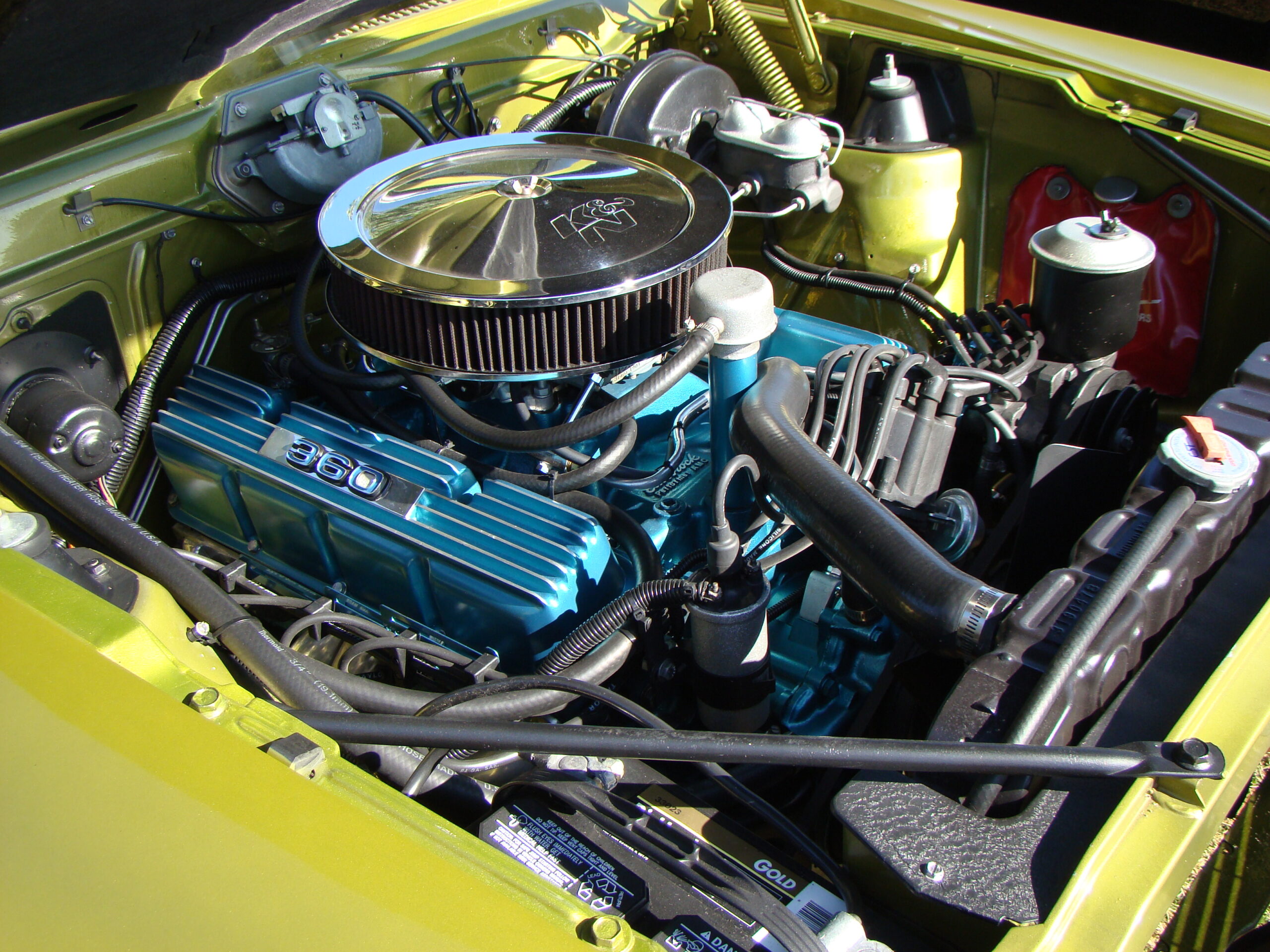
Short answer: to polish aluminum engine parts such as valve covers, intake manifolds, air cleaner lids and brackets, start with a cold engine, cover electrical parts and openings, degrease with an aluminum-safe cleaner, rinse and dry, then hand-polish one small section at a time with a non-abrasive metal polish and buff it off. Already polished parts come back to a bright shine quickly. Rough, as-cast aluminum will clean up and brighten but will not turn into a mirror without sanding and machine buffing first. Finish with a sealant on parts that get warm but not extremely hot, and never polish on a running or hot engine.
Know what you are polishing first
Engine bays mix finishes, and the right method depends on what each part actually is.
| Finish | What it looks like | Can you polish it? |
|---|---|---|
| Polished aluminum | Bright, reflective, goes dull and cloudy with age. | Yes. This is where polishing gives the biggest result. |
| As-cast aluminum | Grey, slightly rough, sandy texture. Most factory intakes and many timing covers. | It will clean and brighten. A true mirror needs sanding and buffing first. |
| Clear-coated aluminum | Shiny but slightly plastic-looking. Polish on a white cloth leaves almost no black mark. | No. Clean it like paint. Polish can cloud or lift the clear. |
| Painted or powder-coated | Colored or black, solid finish. | No. Clean and treat as paint. |
| Chrome | Cool, bluish mirror, very hard surface. | Yes, gently. See our chrome polishing guide. |
| Anodized | Even satin finish, often colored. Common on aftermarket fittings. | Clean only. See can you polish anodized aluminum. |
The quickest check is a white cloth with a dab of polish on a hidden spot. Bare aluminum turns the cloth black almost immediately. Coated and plated surfaces barely mark it.
Safety and prep
An engine bay is not a body panel. A few minutes of prep avoids the problems people actually run into.
- Work on a cold engine. Polish and cleaners flash off on hot metal, streak badly and are harder to remove. A hot manifold can also burn you. Let the engine sit for a few hours, or overnight.
- Protect electrical parts. Cover the alternator, fuse box, exposed connectors, ignition parts and the air intake opening with plastic bags or foil before using any water.
- Disconnect the battery if you will be working close to wiring or using much water. Check your owner’s manual first, as some vehicles need radio codes or a relearn afterwards.
- Keep polish off belts, pulleys and rubber. Residue on a belt can cause squealing and slipping.
- Wear gloves and eye protection. Degreasers and polish residue are not something you want in your eyes.
What you need
- An aluminum-safe degreaser (citrus-based or labeled safe for aluminum)
- Soft detailing brushes in a couple of sizes, plus an old toothbrush
- Plastic bags, foil or painter’s tape to cover electrical parts
- Plenty of clean microfiber cloths, and some cotton swabs for tight spots
- A non-abrasive metal polish such as Metal Gloss
- A sealant such as Sealer Gloss
- Optional: a small foam polishing ball or pad for a drill, run at low speed, for large flat areas
Avoid strong caustic degreasers and “engine brighteners” unless they say they are safe for bare aluminum. Many contain sodium hydroxide, which leaves aluminum stained grey or white, and the staining takes far more polishing to remove than the grime did.
How to polish aluminum engine parts, step by step
- Remove loose dirt. Blow out leaves and dust with compressed air or a leaf blower, and brush away loose debris.
- Degrease. Spray degreaser on one area at a time, let it work for a minute or two, and agitate with a soft brush. Pay attention to the bottom edges of valve covers and around bolts, where oil collects.
- Rinse lightly. Use a gentle spray or a damp cloth, not a pressure washer. Many people skip water entirely and wipe degreaser off with damp microfiber, which is safer around electrics.
- Dry everything. Use compressed air for crevices and bolt heads, then microfiber. Polish does not work properly over water.
- Polish one small section at a time. Put a pea-sized amount of polish on a folded microfiber cloth. Work it over an area roughly the size of your hand using small overlapping strokes. Turn the cloth often. The black residue you see is oxidation coming off the aluminum, which is exactly what you want.
- Get into the details. Use a cloth wrapped around a finger, a cotton swab or a soft toothbrush for fins, lettering, ribs and around bolt heads.
- Buff off. Use a clean microfiber and buff until the haze and black residue are gone. A final pass with a fresh cloth brings up the brightest shine.
- Repeat where needed. Heavily oxidized parts often need two or three rounds. More rounds with light pressure gives a better result than one round with heavy pressure.
- Seal it. Apply a thin coat of sealant to the polished parts, let it haze, and buff off. This slows oxidation and makes future cleaning a quick wipe.
Polishing specific engine parts
Valve covers
Polished valve covers are the centerpiece of most engine bays. With the covers on the engine, you can polish the tops and sides easily, but the edges near the head and around spark plug wires are awkward. For a show finish, many people remove the covers and polish them on a bench. If you do, replace the gaskets when you refit them and torque the bolts to the manufacturer’s specification. Overtightening causes leaks.
Intake manifolds
Factory intake manifolds are usually as-cast. Polish will clean them and give an even, brighter satin look, which suits most builds. A full mirror finish on an as-cast intake is a big job that involves sanding out the casting texture before polishing.
Air cleaner lids
Often chrome rather than aluminum. Check before you start. Remove the lid to polish it properly and keep polish and cloth fibers out of the air filter.
Brackets, pulleys and accessory covers
Polish brackets and covers only with the engine off and cold, and keep polish off belt surfaces completely. Many modern accessory parts are coated, so do the white cloth test first.
Radiator tanks and hoses
Polished aluminum radiator tanks can be polished like any other bare aluminum. Keep polish off the cooling fins, which are thin and bend easily, and away from the core. Stainless braided hose covers clean up with a soft brush and a little polish, worked along the braid.
Exhaust manifolds and headers
These get far hotter than anything else in the bay. Clean them only when completely cold. Heat discoloration on headers is a change in the metal, not dirt, so polish will not remove it. Most sealants are not made for that kind of temperature, so skip the sealant here. Our guide to polishing exhaust pipes explains the difference between removable grime and permanent heat bluing.
Can you get a mirror finish on cast aluminum by hand?
Not really. Cast aluminum has a textured surface from the mold. Polish cleans the oxidation off the peaks and valleys, which makes it brighter and more even, but the texture stays. A mirror finish needs the texture removed first: wet sanding through progressively finer grits, then machine buffing with cutting and finishing compounds, and then a final hand polish. That is hours of work per part, and many builders send intakes and covers to a professional polishing shop for that stage. Hand polishing is what you use afterwards to keep it looking that way.
Keeping polished engine parts bright
- Wipe down after drives once the engine is cool, with a dry or slightly damp microfiber. Removing dust and oil mist early stops it baking on.
- Fix oil leaks. A leaking valve cover gasket coats polished parts in grime that attracts more dirt.
- Re-polish lightly every few months. On a sealed part, a light pass takes minutes.
- Reseal after each polish. Heat cycles and degreasing wear sealant down faster than on body panels.
For more detail on oxidation itself and why aluminum goes dull in the first place, see our guide to removing oxidation from aluminum.
Used in this guide


Frequently asked questions
How do you polish aluminum engine parts?
Let the engine cool completely, cover electrical parts, degrease with an aluminum-safe cleaner, rinse lightly and dry. Then polish one small section at a time with a non-abrasive metal polish on microfiber, buff off the black residue and finish with a sealant.
Can you polish valve covers on the engine?
Yes. The tops and sides polish easily with the covers in place on a cold engine. For a show finish, remove the covers and polish them on a bench, then refit with new gaskets and torque the bolts to the manufacturer’s specification.
Can you polish cast aluminum to a mirror finish by hand?
Not really. Hand polishing cleans and brightens cast aluminum, but the casting texture remains. A mirror finish needs wet sanding through finer grits and machine buffing first, which many people leave to a polishing shop.
What degreaser is safe for aluminum engine parts?
Use a citrus-based degreaser or one labeled safe for bare aluminum. Avoid strong caustic degreasers and engine brighteners containing sodium hydroxide, which stain aluminum grey or white.
Is it safe to polish engine parts while the engine is hot?
No. Polish and cleaners streak and flash off on hot metal, and you risk burns. Always work on a cold engine, ideally after it has sat for several hours.
Can I polish clear-coated or painted engine parts?
No. Clean clear-coated, painted and powder-coated parts like paint. Metal polish can cloud or lift a clear coat. Test with a white cloth: bare aluminum turns it black, coated parts barely mark it.
Should I seal polished engine parts?
Yes, on parts that get warm but not extremely hot, such as valve covers, intakes and air cleaner lids. Sealant slows oxidation and makes cleaning easier. Skip it on exhaust manifolds and headers, which get too hot for most sealants.
How often do polished engine parts need polishing?
A light re-polish every few months is usually enough if the parts are sealed and wiped down regularly. Fixing oil leaks makes a big difference, since oil mist attracts dirt.
Getting started
Let the engine cool, cover the electrics, degrease with an aluminum-safe product and dry everything. Then polish small sections with light pressure, buff off and seal. Polished parts come back fast, and cast parts get a cleaner, brighter look that lifts the whole engine bay.
Engine bays use more polish than people expect, so the 2 Metal Gloss + 1 Sealer Gloss bundle is the better value if you are doing the whole bay, with free shipping.