Can You Polish Anodized Aluminum? How to Clean It Without Ruining It

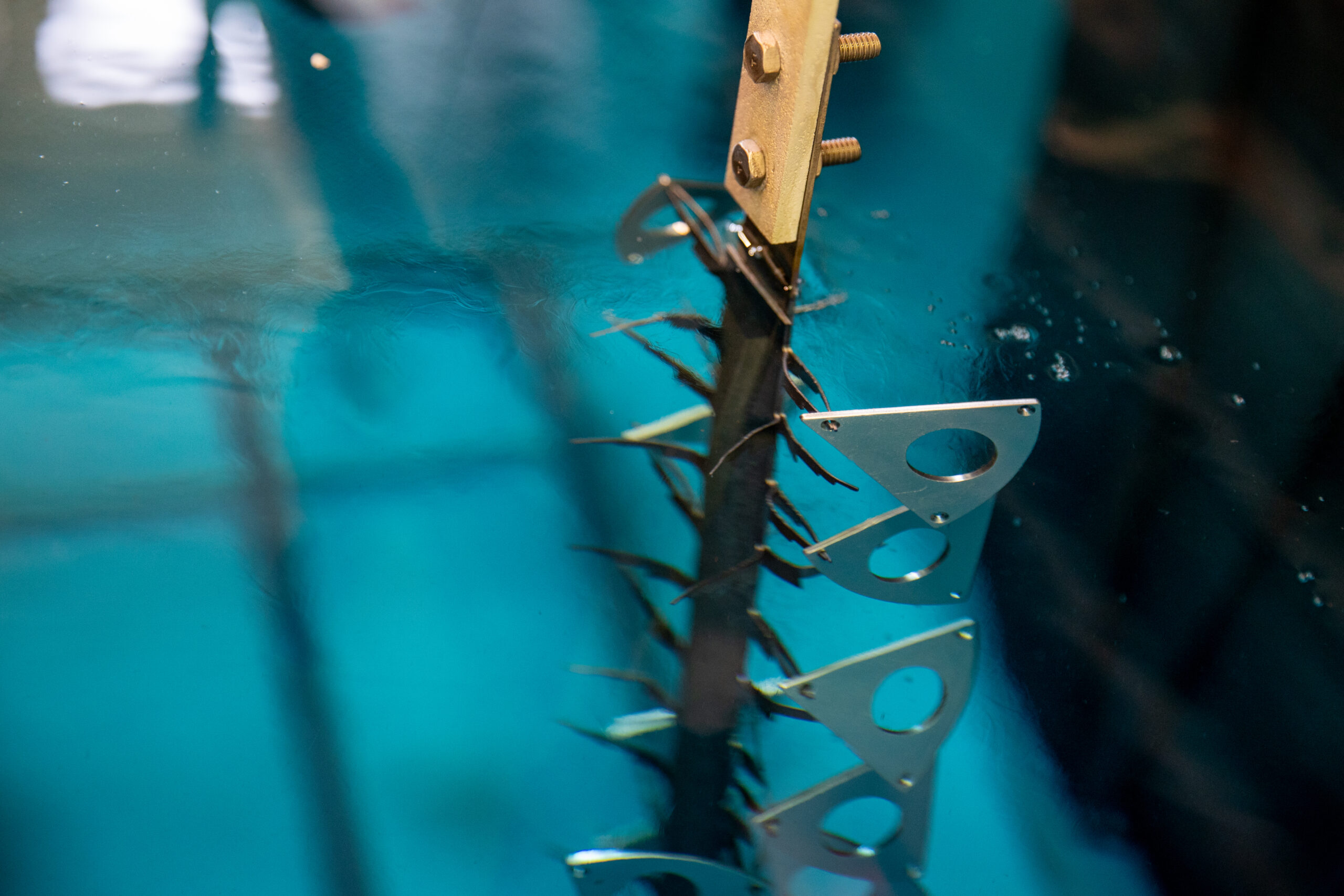
Short answer: you can clean anodized aluminum, and you can gently polish away stains and grime, but you cannot polish anodizing back to life once it has faded or worn through. Anodizing is a hard oxide layer grown into the metal, often with dye sealed inside it. Wash it with mild, pH-neutral soap, use a gentle non-abrasive polish only on stubborn marks, and protect it with a sealant. If you want a mirror finish instead, the anodizing has to be stripped off first, and from then on the part is bare aluminum that needs regular polishing.
What anodized aluminum actually is
Bare aluminum naturally forms a thin, dull oxide skin when air touches it. Anodizing takes that idea and controls it. The part is placed in an acid bath and an electric current is passed through it, which grows a much thicker, harder and more even oxide layer out of the aluminum itself.
Three things follow from that, and they explain almost every question people ask about it:
- It is part of the metal, not a coating on top. There is no paint or clear coat to polish through to something shinier underneath. The anodized layer is the surface.
- It is porous before it is sealed. Colored anodizing gets its color from dye soaked into those pores, which are then sealed shut. The color lives inside a very thin layer.
- It is thin. Decorative anodizing on trim, bike parts, flashlights and boat fittings is usually around 5 to 25 microns thick, which is thinner than a human hair. Hard anodizing on cookware and industrial parts is thicker and tougher, but it is still a layer that can be worn away.
That thinness is the whole story. Anything that removes material, even slowly, eventually removes the anodizing.
How to tell if your aluminum is anodized
Before you reach for any polish, confirm what you are working on. These checks take a minute.
| Check | Anodized aluminum | Bare or polished aluminum |
|---|---|---|
| Look | Even, satin or matte sheen, often colored (black, gold, red, blue, bronze). Clear anodizing looks like soft, uniform silver-grey. | Bright, warm silver when polished. Goes dull, chalky or blotchy grey when neglected. |
| White cloth test | Polish on a hidden spot leaves the cloth almost clean. | Cloth turns grey or black almost immediately. That is aluminum oxide coming off. |
| Multimeter test | No continuity. The anodized layer does not conduct electricity. | Conducts. Probes touching the surface show continuity. |
| Scratches | A deep scratch shows bright, bare metal in a line through the color. | Scratches look the same color as the rest, just duller. |
The multimeter test is the most reliable. Set it to continuity or resistance and touch both probes to the surface a short distance apart. If it reads open circuit, you are on anodizing. If it beeps, the metal is bare or the anodizing has already worn through at that spot.
Where you will find anodized aluminum
- Boats: window frames, rails, hatch trim, rod holders, T-top frames and many deck fittings.
- Vehicles: roof rails, window trim, some aftermarket wheels, shift knobs, engine dress-up parts, and a lot of motorcycle and bicycle components.
- Around the house: window and door frames, railings, flashlights, electronics cases and hard-anodized cookware.
Boat owners and people with older vehicles see the biggest problems, because sun, salt and harsh cleaners are what break anodizing down.
Can you polish anodized aluminum?
It depends on what you want polishing to do.
To clean it and lift stains: yes, gently
Water spots, road film, salt residue, light staining and grime sitting on the surface can be removed. Start with soap and water. If marks remain, a small amount of a non-abrasive polish on a soft microfiber cloth, worked with light pressure, will usually lift them. Metal Gloss uses a jewelers’ rouge formula that lifts deposits rather than cutting into the surface, which is why it is a sensible choice here, but always try a hidden spot first.
To make it shiny like chrome: no
Anodizing has a satin character by nature. Polishing will not turn it into a mirror. Rubbing harder in pursuit of shine only thins the layer.
To bring back faded or chalky anodizing: no
When colored anodizing fades in the sun, the dye inside the layer has broken down. When it turns white and chalky, the seal and the layer itself are breaking down. No polish puts dye back or rebuilds the oxide. Cleaning will make it look tidier, and a sealant will help it look more even, but the real fix is stripping and re-anodizing, which is a job for an anodizing shop.
The risk: edges and high points
Anodizing wears through first on sharp edges, corners and raised logos, because that is where pressure concentrates. If you see bright aluminum starting to show at an edge, stop polishing that area. Once it is through, the only way to make it uniform again is to strip and redo the whole part.
How to clean anodized aluminum safely
What you need
- A bucket of warm water with a pH-neutral car wash soap or mild dish soap
- Soft microfiber wash mitt or cloths, and a soft detailing brush for corners
- Clean drying towels
- A non-abrasive polish for stubborn marks, such as Metal Gloss
- A sealant to protect the finish afterwards, such as Sealer Gloss
Step by step
- Work in the shade on a cool surface. Soap and water drying on hot aluminum leaves spots that are harder to remove than the original dirt.
- Rinse off loose grit. Sand and salt crystals act like sandpaper if you wipe over them.
- Wash with mild soap. Use light pressure and a soft mitt. Use the brush for seams, rivets and corners.
- Rinse well and dry straight away. Do not let water evaporate on the surface, especially if your water is hard.
- Spot-treat what is left. Put a pea-sized amount of polish on a folded microfiber cloth and work it over the stain with light, overlapping strokes. Buff off with a clean side of the cloth. Check your cloth: if it is turning dark grey or black, you may be through the anodizing in that spot, so stop.
- Seal it. Apply a thin coat of sealant, let it haze according to the label, and buff off. A sealed surface sheds water and salt and stays cleaner for longer.
What not to use on anodized aluminum
Most damage to anodizing comes from cleaning, not from weather.
- Strong alkaline cleaners. Oven cleaner, degreasers with sodium hydroxide, many heavy-duty “aluminum brighteners” and dishwasher detergent all attack anodizing. Oven cleaner is in fact what many people use to strip it on purpose.
- Strong acids. Acid wheel cleaners and some boat hull cleaners etch and haze the surface.
- Abrasive pads and compounds. Scouring pads, steel wool, rubbing compound and gritty polishes wear through the layer quickly.
- The dishwasher. Anodized cookware, bottles and tools should be washed by hand. Dishwasher detergent is strongly alkaline and will dull and discolor anodizing over time.
As a rule of thumb, if a cleaner says it is safe on paint and clear coat, it is usually gentle enough for anodizing. If it says “not for anodized or coated aluminum”, believe it.
Hard-anodized cookware
We get asked this a lot. Hard-anodized pots and pans are tougher than decorative anodizing, but the same rules apply. Wash by hand with dish soap and a soft sponge, avoid the dishwasher, and soak rather than scour burnt-on food. Do not use metal polish on the cooking surface. If the outside of a pan is stained, mild soap and a paste of baking soda and water used gently is the safest option.
If you want a polished finish instead
Some people would rather have bright, polished aluminum than tired, faded anodizing, particularly on boat rails, motorcycle parts and older trim. That is possible, but it is a one-way decision.
- Strip the anodizing. Anodizing shops can strip parts cleanly. The common DIY method uses a strong alkaline stripper, which is caustic, so gloves, eye protection, ventilation and careful rinsing are essential. Keep it off paint, rubber and skin. If you are unsure, have a shop do it.
- Prepare the bare metal. Stripped aluminum is usually dull and slightly textured. Scratches or pitting need wet sanding through progressively finer grits before polishing.
- Polish. From here it is bare aluminum, and it polishes the same way as any other. Our guide to removing oxidation from aluminum walks through the method.
- Seal it, and keep sealing it. Bare polished aluminum starts oxidizing again straight away. Without protection it will go dull within weeks outdoors, and faster near salt water.
The trade-off is simple. Anodizing is low maintenance but cannot be revived. Polished aluminum looks spectacular but needs a polish and seal every few months.
Keeping anodized aluminum looking good
- Rinse salt off quickly. On boats, a freshwater rinse after every trip does more than any product.
- Wash every couple of weeks on vehicles and boats, with the same gentle soap you use on paint.
- Seal every few months. A sealant slows UV fading and stops water spots from etching.
- Keep harsh cleaners away, including overspray from wheel cleaners and hull cleaners.
Used in this guide


Frequently asked questions
Can you polish anodized aluminum?
You can gently polish anodized aluminum to remove stains, water spots and grime, using a non-abrasive polish and light pressure. You cannot polish it to a mirror shine, and polishing will not restore anodizing that has faded or turned chalky. Rubbing hard wears through the thin anodized layer.
How do I know if aluminum is anodized?
Anodized aluminum has an even satin finish and is often colored. Rub polish on a hidden spot with a white cloth: bare aluminum turns the cloth black, anodized aluminum barely marks it. A multimeter is the surest test, because anodizing does not conduct electricity.
What is the best way to clean anodized aluminum?
Wash it with warm water and a mild, pH-neutral soap using a soft microfiber cloth, rinse, and dry it straight away. Spot-treat stubborn marks with a small amount of non-abrasive polish, then apply a sealant to protect the finish.
Can faded anodized aluminum be restored?
Not with polish. Fading means the dye inside the anodized layer has broken down, and chalkiness means the layer itself is breaking down. Cleaning and sealing improve the look, but a full restoration needs stripping and re-anodizing by an anodizing shop.
What should you not use on anodized aluminum?
Avoid strong alkaline cleaners such as oven cleaner and many heavy-duty degreasers, acid wheel and hull cleaners, abrasive pads, steel wool, rubbing compound, and the dishwasher. These are the most common causes of damaged anodizing.
Does oven cleaner remove anodizing?
Yes. Oven cleaner is strongly alkaline and dissolves anodizing, which is why some people use it to strip parts on purpose. Never use it to clean anodized aluminum you want to keep.
Can I strip anodizing and polish the aluminum instead?
Yes. Once the anodizing is stripped, the part is bare aluminum and can be sanded if needed and polished to a mirror finish. It will then oxidize like any bare aluminum, so it needs sealing and regular polishing to stay bright.
Is metal polish safe on hard-anodized cookware?
Do not use metal polish on the cooking surface of hard-anodized cookware. Wash it by hand with dish soap and a soft sponge, avoid the dishwasher, and use a gentle baking soda paste for stains on the outside.
Getting started
Confirm the part is anodized, wash it gently, spot-treat stains with a non-abrasive polish and light pressure, and finish with a sealant. Accept that faded anodizing cannot be polished back, and avoid alkaline and abrasive cleaners that cause most of the damage.
If you have both anodized and bare metal to look after, the 2 Metal Gloss + 1 Sealer Gloss bundle covers cleaning, polishing and protection, with free shipping.