How to Polish Chrome Wheels (And Keep Brake Dust From Baking On)

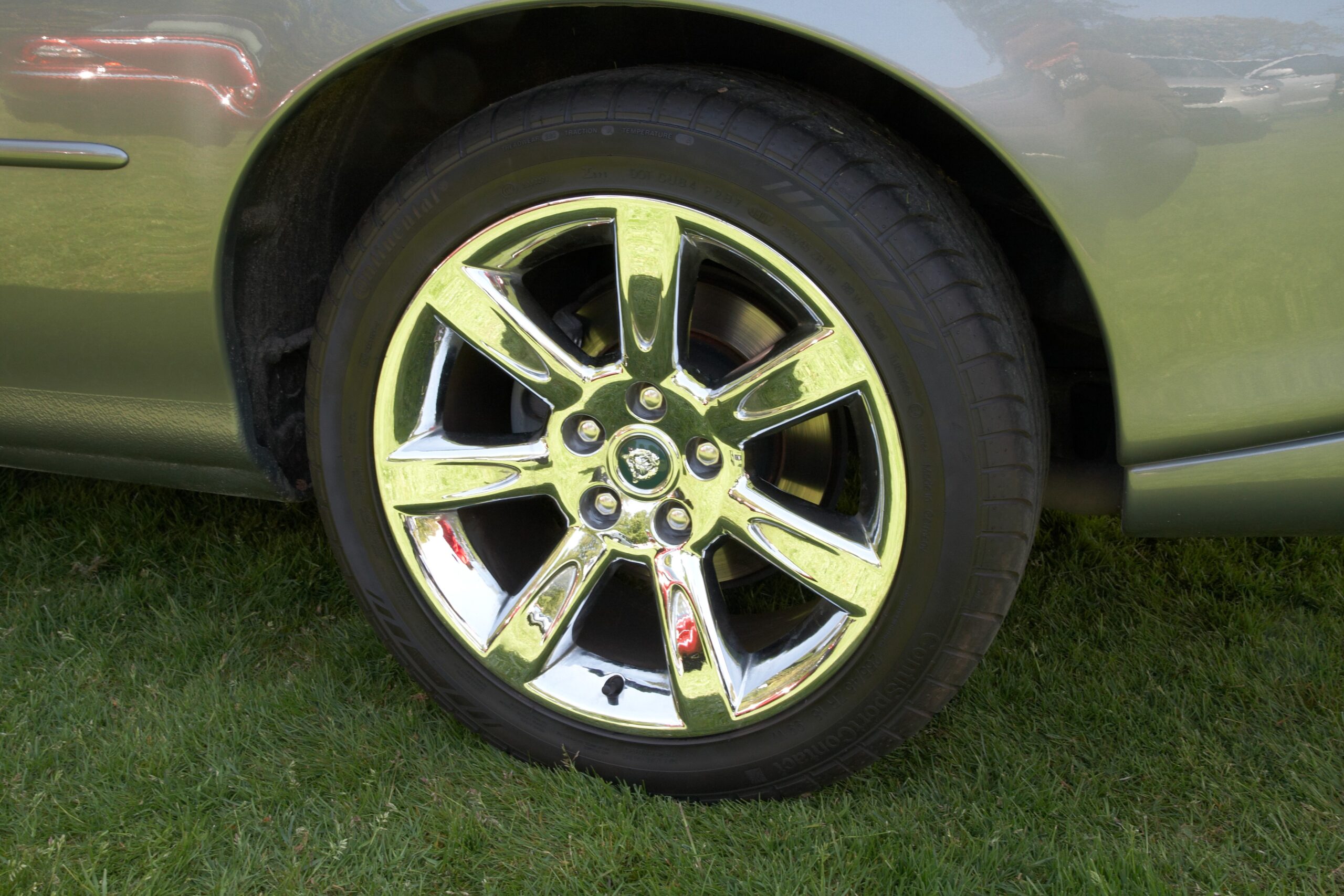
Short answer: clean chrome wheels when they are cool, with a pH-neutral wheel cleaner and a soft brush, rinse, dry, then polish with a non-abrasive metal polish on a microfiber cloth and seal them. Avoid acid-based wheel cleaners completely. Brake dust is the main enemy, and the longer it sits the harder it is to remove, so regular light cleaning beats an occasional heavy one.
Check what your wheels actually are
Not every bright wheel is chrome, and the method differs.
- Chrome-plated wheels have a bright, slightly blue, mirror finish that reflects like glass. They are plated layers over aluminum or steel.
- Polished aluminum looks similar but warmer and slightly softer. Rub a hidden area with polish on a white cloth: aluminum turns the cloth black almost immediately, chrome barely marks it. Polished aluminum is covered in our aluminum wheels guide.
- PVD or “chrome look” wheels use a thin vacuum-deposited coating, often under clear coat. They should be cleaned like painted wheels, not polished with metal polish.
- Silver painted or hyper-silver wheels are paint, and metal polish has no place on them.
If in doubt, check the vehicle documentation or ask the wheel manufacturer.
Why brake dust is so hard on chrome
Brake dust is not ordinary dirt. It is a mix of tiny iron particles worn off the rotors, pad material and adhesive, and it comes off the brakes hot.
Those hot metal particles stick to the wheel. Left there, moisture turns the iron to rust, which stains chrome orange and, over time, starts to attack the plating itself. That is where pitted, cloudy chrome wheels come from. Each heat cycle bakes the next layer on a little harder.
That is why frequency matters more than effort. Dust removed weekly comes off with soap. Dust left for months needs much more work and may have already done damage.
Avoid acid wheel cleaners
Many strong wheel cleaners use acids to dissolve brake dust quickly. On chrome they can etch the surface, cause hazing and staining, and attack any spot where the plating is already chipped or thin. On a damaged spot, acid can get under the plating and lift it.
Use a pH-neutral cleaner or a good car wash soap. If a cleaner’s label warns against use on chrome, polished or damaged finishes, take that seriously.
How to clean and polish chrome wheels
What you need
- pH-neutral wheel cleaner or car wash soap
- A soft wheel brush, a long barrel brush and a detail brush for lug nut holes
- A separate bucket and wash mitt used only for wheels
- A non-abrasive metal polish such as Metal Gloss
- Several microfiber towels, kept separate from the ones you use on paint
- A sealant such as Sealer Gloss
Step by step
- Make sure the wheels are cool. After a drive, brakes and wheels stay hot for a long time. Cleaner and polish dry instantly on a hot wheel and leave spots and residue.
- Do the wheels first, before the rest of the car, so brake dust and dirty water do not splash onto clean paint.
- Rinse thoroughly to remove loose dust and grit.
- Clean one wheel at a time. Apply cleaner, then work the face, the spokes, the barrel behind the spokes and around the lug nuts with soft brushes.
- Rinse well and move on to the next wheel.
- Dry each wheel completely with a dedicated microfiber towel. Water left in lug nut holes runs out later and spots the finish.
- Polish. Apply a small amount of polish to a cloth and work it over one section at a time with moderate pressure. The cloth will darken as oxidation and staining lift.
- Buff with a clean towel until the chrome is clear and residue-free, including the edges of spokes and the inner lip.
- Seal. Apply sealant to the clean, polished chrome and buff off. This is the step that makes the next cleaning easier.
Why non-abrasive polish matters on chrome wheels: the plating is thin, and wheels already take a beating from stone chips and dust. Abrasive compounds take plating off with every pass. Metal Gloss is made with jewelers’ rouge, so it lifts brake dust staining and oxidation without grinding the chrome away.
Baked-on brake dust and rust spots
If dust has built up for months, a single wash will not shift it.
- Repeat the clean two or three times rather than scrubbing harder.
- Polish the stained areas with a few applications. Orange rust staining from iron particles usually lifts with polish.
- Check for pitting. Run a fingernail over any rough spots. If it catches, the chrome is pitted. Polishing will clean and brighten around the pits, which makes them much less obvious, but it cannot fill them in.
- Look for peeling or blistering. Chrome that is lifting at the edges or bubbling has been damaged underneath. Clean it gently and seal it to slow things down, and consider having the wheel re-plated.
For more on telling surface rust from pitting, see will metal polish remove rust.
Don’t forget the inside
The barrel behind the spokes collects the most brake dust and gets the least attention. On open-spoke chrome wheels it is highly visible, and on any wheel it is where corrosion often starts. A long, soft barrel brush on every wash keeps it under control.
Keeping chrome wheels bright
- Clean them every week or two with soap and water, before dust has time to bond.
- Keep them sealed. On a sealed wheel, brake dust sits on top of the protective layer and rinses off far more easily.
- Use separate towels and brushes for wheels so iron particles never reach your paint or other chrome.
- Polish every couple of months to catch staining early.
- In winter, rinse salt off promptly. Salt plus brake dust is the hardest combination chrome wheels face. Our road salt guide covers winter care.
Used in this guide


Frequently asked questions
How do you polish chrome wheels?
Clean the wheels when they are cool with a pH-neutral cleaner and soft brushes, rinse and dry them, then apply a non-abrasive metal polish with a microfiber cloth one section at a time. Buff off with a clean towel and seal the finish.
Can I use acid wheel cleaner on chrome wheels?
It is best not to. Acid-based cleaners can etch and haze chrome and attack chipped or thin spots in the plating. Use a pH-neutral wheel cleaner or car wash soap instead.
How do I remove baked-on brake dust from chrome wheels?
Repeat a gentle wash two or three times rather than scrubbing harder, then polish the stained areas with a non-abrasive metal polish. Orange staining from iron particles usually lifts with a few applications.
How can I tell if my wheels are chrome or polished aluminum?
Rub a hidden area with metal polish on a white cloth. Polished aluminum turns the cloth black almost immediately, while chrome barely marks it. Chrome also has a cooler, slightly blue mirror finish.
Can you polish pitted chrome wheels?
Polishing will clean and brighten pitted chrome, which makes the pits far less noticeable, but it cannot fill them in. Deep pitting or peeling chrome needs re-plating to fully restore.
How often should I clean chrome wheels?
Every week or two with soap and water keeps brake dust from bonding. Polish every couple of months and keep the wheels sealed.
Can I polish PVD or chrome-look wheels with metal polish?
No. PVD and chrome-look finishes are thin coatings, often under clear coat, and should be cleaned like painted wheels. Check the wheel manufacturer’s care guidance.
Why do my chrome wheels have rust spots?
Usually from brake dust. The iron particles in brake dust stick to the wheel and rust when they get wet, leaving orange spots. These generally polish off if dealt with early.
Getting started
Confirm it is real chrome, keep acid cleaners away, wash cool wheels with soft brushes, dry them properly, polish gently and seal. Little and often is what keeps chrome wheels looking new.
If you are doing a set of four, the 2 Metal Gloss + 1 Sealer Gloss bundle has enough polish and sealant for several sets of wheels, with free shipping.