How to Polish Brass (Without Stripping the Lacquer or the Patina)

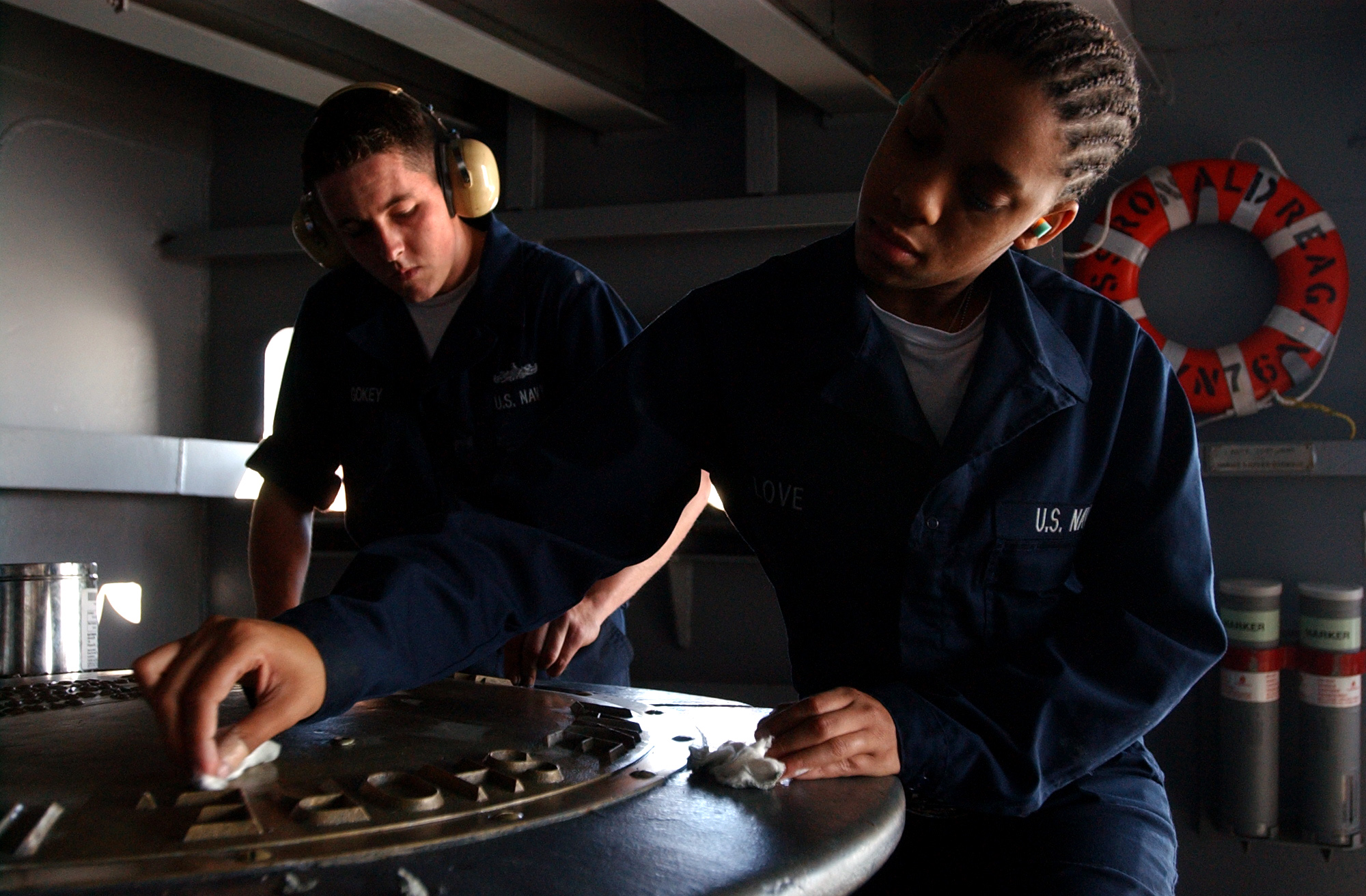
Short answer: clean the brass with warm soapy water first, then polish solid, unlacquered brass with a non-abrasive metal polish on a soft cloth, working in small sections and buffing to a shine. But before any of that, check two things: whether it is lacquered, and whether it is solid brass or brass plating. Lacquered brass should not be polished at all, and plated brass needs a much lighter touch. Getting this wrong is the most common way people ruin brass.
Two tests before you start
Is it solid brass or plated?
Hold a magnet to it. Brass is not magnetic. If the magnet sticks, you are looking at steel or iron with a thin brass plating on top, which is common on door hardware, light fittings and cheaper fixtures.
A magnet that does not stick usually means solid brass, though some plated items have a zinc or other non-magnetic base. If you are unsure, look somewhere hidden, such as the back or a mounting hole, for a different colored metal showing through.
Plated brass can be polished, but the brass layer is thin. Use light pressure, minimal passes, and never anything abrasive, or you will wear through to the metal underneath.
Is it lacquered?
Many brass items leave the factory with a clear lacquer coat so they never need polishing. Signs it is lacquered:
- It has stayed bright for years with no care
- Tarnish appears in patches, spots or streaks rather than evenly
- Peeling, flaking or a cloudy film is visible, especially at edges and handles
- A dab of polish on a hidden spot does nothing at all, or the cloth stays clean
When lacquered brass tarnishes in patches, it means the lacquer has failed in those places and air is reaching the metal. Polishing over intact lacquer achieves nothing, and polishing over broken lacquer leaves a patchy mess. The options are to clean it gently with soapy water and leave it, or to strip the lacquer completely with a lacquer remover and then polish the bare brass evenly.
Should you polish it at all?
Worth pausing on, because polishing cannot be undone.
Antiques and collectibles. The darkened surface, or patina, on old brass often adds to its value and character. Polishing it away can reduce what a piece is worth. If it might be valuable, have it looked at first.
Musical instruments. Most are lacquered or silver-plated, and some have finishes that should only be cleaned by a repair technician. Check with the maker or a technician before using any polish.
Boat and vehicle brass, door hardware, lamps and fittings that you simply want bright again are fine to polish.
How to polish solid, unlacquered brass
What you need
- Warm water and mild dish soap
- A soft toothbrush for detail and engraving
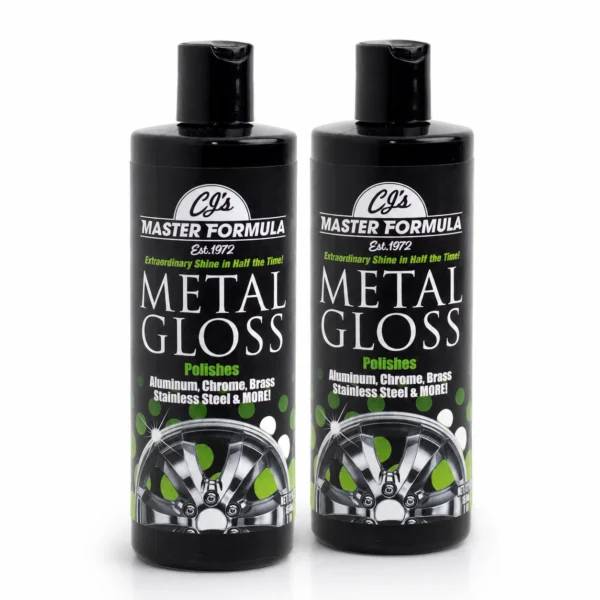
- A non-abrasive metal polish, such as Metal Gloss
- Several soft cotton or microfiber cloths
- Cotton swabs for tight corners
Step by step
- Wash it. Warm soapy water and a soft cloth to remove dust, grease and fingerprints. Dirt left on the surface turns polish into a gritty paste.
- Dry it completely.
- Test a hidden area to confirm how the surface responds.
- Apply a small amount of polish to the cloth and work it over a small section with light, even pressure. On brushed or grained brass, follow the direction of the grain.
- Watch the cloth turn black. That is tarnish lifting, and it means the polish is working.
- Switch to a clean area of the cloth as soon as it is loaded, or you are pushing tarnish back onto the metal.
- Buff with a fresh dry cloth until the surface is bright and residue-free.
- Clean out engraving and recesses with a soft toothbrush or swab. Leftover polish dries white in grooves and is easy to miss until later.
Heavy, long-standing tarnish may need two or three applications. Repeat rather than pressing harder.
Why non-abrasive: brass is a relatively soft metal and scratches easily. Fine detail, crisp edges and maker’s marks are the first things an abrasive wears away. Metal Gloss is based on jewelers’ rouge, the compound used to finish gold and silver, so it lifts tarnish without cutting into the metal or softening detail.
About the kitchen remedies
Vinegar and salt, lemon and baking soda, and ketchup all appear in nearly every guide to cleaning brass. They do remove tarnish, because they are acids. But there is a catch most guides leave out.
Brass is an alloy of copper and zinc. Acids, especially if left on too long or not rinsed off thoroughly, can draw zinc out of the surface. What is left behind is copper-rich, and the brass takes on a pinkish or reddish tone that polish will not bring back to gold. The surface can also be left slightly etched and dull, which then tarnishes faster.
If you use them, keep contact short, rinse very thoroughly and dry straight away. A dedicated polish gives a more predictable result and does not leave acid residue behind.
Brass on boats
Marine brass faces salt spray and constant moisture, so it tarnishes and develops green verdigris quickly. Wash salt off with fresh water first, as polishing over salt crystals scratches the surface. Then polish as above and seal. On a boat, sealing is the difference between polishing every few weeks and every few months.
Keeping brass bright
Freshly polished brass starts to darken within weeks, faster in humid or salty air and wherever it is handled.
- Seal it. A thin protective coat such as Sealer Gloss slows tarnishing considerably and is far easier to refresh than lacquer.
- Wipe handled surfaces regularly. Skin oils and sweat speed up tarnish on door knobs, handles and rails.
- Polish lightly and often. A quick buff every month or two is much less work than restoring heavy tarnish once a year.
Used in this guide


Frequently asked questions
How do I know if my brass is solid or plated?
Hold a magnet to it. Brass is not magnetic, so if the magnet sticks the item is steel or iron with a thin brass plating. Plated brass can be polished, but only gently, as the brass layer is thin.
Should you polish lacquered brass?
No. Polishing over intact lacquer does nothing, and polishing over damaged lacquer leaves a patchy finish. Either clean it with soapy water, or remove the lacquer completely and then polish the bare brass evenly.
Why did my brass turn pink after cleaning it?
Acidic cleaners such as vinegar, lemon or ketchup can draw zinc out of the surface of brass, leaving a copper-rich layer with a pink or reddish tone. Keep acid contact short and rinse thoroughly, or use a dedicated non-abrasive polish instead.
Will polishing antique brass reduce its value?
It can. The patina on antique brass is often part of its value and character, and polishing removes it permanently. If a piece might be valuable, have it assessed before polishing.
How do you remove green tarnish from brass?
Green verdigris is copper corrosion, common on brass exposed to moisture and salt. Wash the item, then work a metal polish into the affected areas with a soft cloth and toothbrush, repeating as needed. Heavy verdigris may take several applications.
Can I use metal polish on brass musical instruments?
Check with the manufacturer or a repair technician first. Most instruments are lacquered or silver-plated and some finishes should only be cleaned, not polished.
How long does polished brass stay shiny?
Unprotected, it begins to darken within a few weeks, faster in humid, salty or frequently handled places. Sealing after polishing slows tarnishing considerably.
What is the best way to clean brass hardware?
Wash with warm soapy water, dry, then polish with a non-abrasive metal polish on a soft cloth, using a toothbrush for detail. Check first that the hardware is not lacquered or thinly plated.
Getting started
Magnet test, lacquer check, then wash, polish gently in small sections, clean out the detail and seal. Done that way, brass comes back to a warm, deep shine without losing detail, finish or value.
Metal Gloss works on chrome, aluminum, stainless, silver and gold as well as brass, so if you have more than one thing to restore, the Metal Gloss 2-Pack saves 10% over two singles.