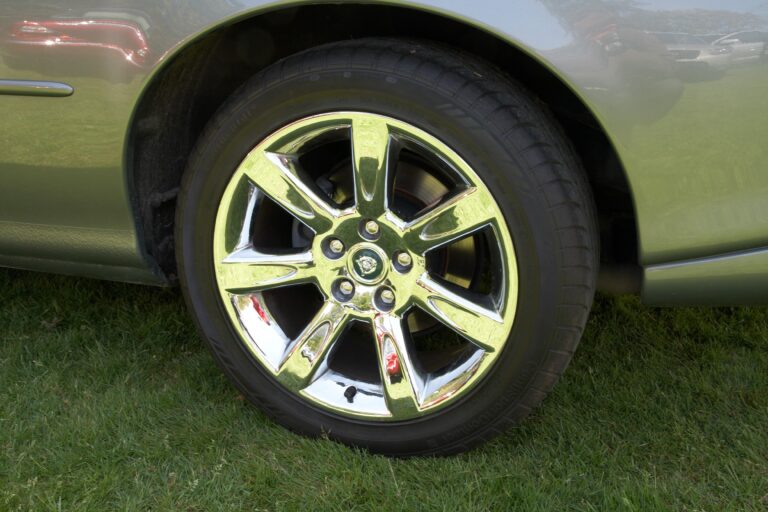
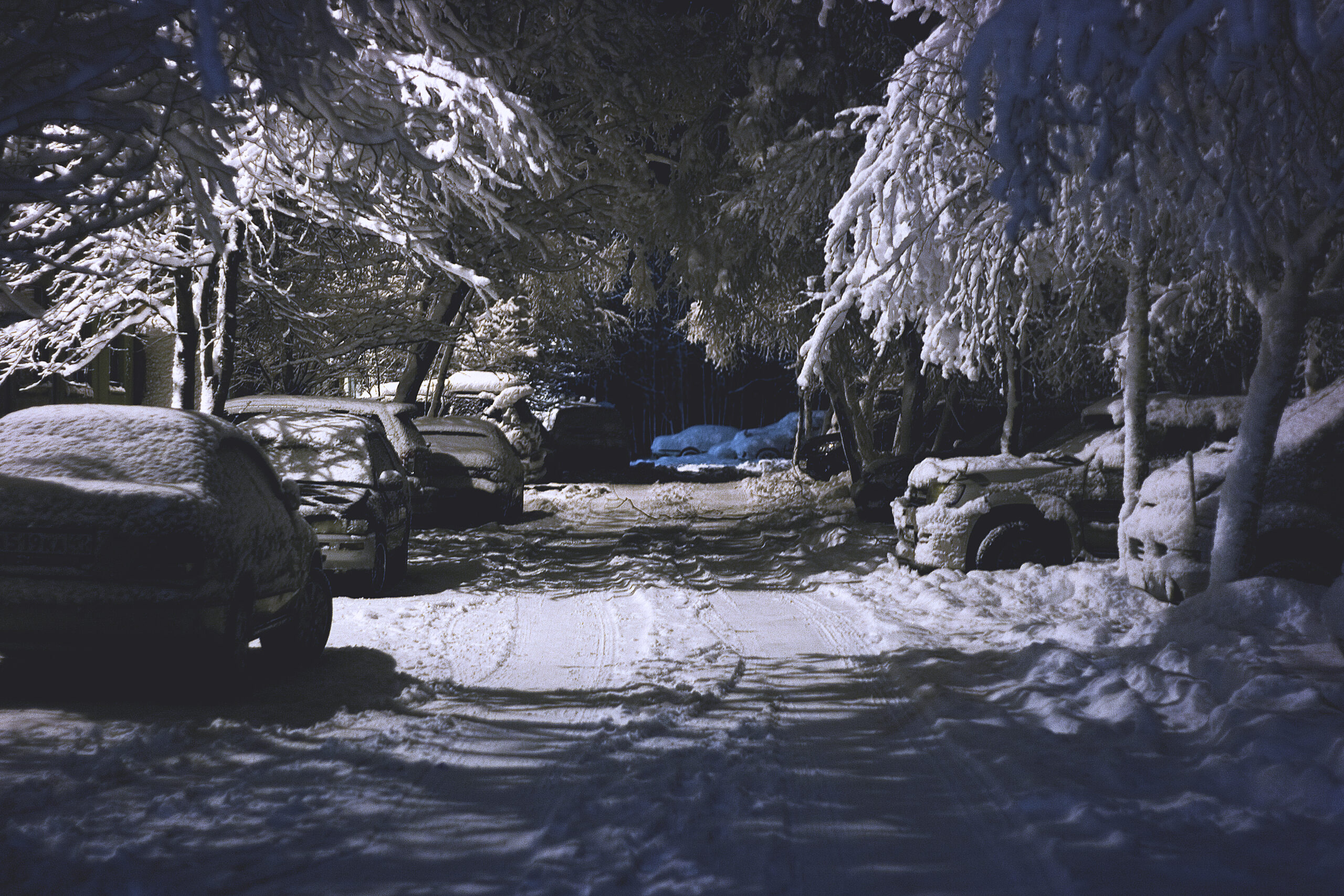
How to Protect Chrome and Metal From Road Salt This Winter

Short answer: polish and seal chrome, aluminum and stainless before the first salting so they start the winter clean and protected, rinse salt off every week or two whenever the temperature is above freezing, pay most attention to the undersides and lower edges, and dry everything before covering or storing it. Salt does not need to sit for long to start corroding bright metal. The gap between the first salted road and the first wash is where most winter damage happens.
Now is the time to do the prep. Once roads are being treated, it is much harder to get a clean, dry day to polish and seal properly.
Why winter is so hard on bright metal
Salt on its own is not the full story. Three things combine.
Chloride is the attacker
Road salt is mostly sodium chloride, and many highway departments now also use magnesium chloride or calcium chloride. Chloride breaks down the thin protective oxide layer that keeps chrome, stainless and aluminum looking bright. Once that layer is broken, pitting starts, and pits are permanent.
Liquid brine is worse than rock salt
Many roads are now sprayed with brine before a storm. It goes on as a liquid, so it gets into seams, clamps and the backs of trim where rock salt never reached, and it dries into a fine film that is easy to miss.
Magnesium and calcium chloride are also hygroscopic: they pull moisture out of the air. A film of it on a bumper that looks dry is often damp enough to keep corroding in a cold garage, day and night.
Cold slows corrosion, slush brings it back
Corrosion is slower in deep cold, which lulls people into waiting for spring. But every thaw, every warm garage and every slushy drive reactivates the salt sitting on the metal. A car parked in a heated garage overnight can corrode faster than one left outside.
Before the first salting: prep weekend
This is the single most useful thing you can do, and it takes an afternoon.
- Wash thoroughly, including wheel wells, lower sills and the backs of bumpers.
- Polish all bright metal. Chrome bumpers and trim, aluminum wheels, stainless exhaust tips, motorcycle chrome. Polishing removes the existing light oxidation and leaves a smooth surface for the sealant to bond to. Metal Gloss works on chrome, aluminum and stainless without abrasives, so one product covers the lot.
- Seal it. This is the part that actually protects. A sealant puts a barrier between chloride and metal, and salt film rinses off a sealed surface far more easily. Apply Sealer Gloss to the bright metal and the paint around it.
- Do the hidden areas too. The inside lip of bumpers, the back of wheel spokes, the underside of exhaust pipes. These see the most spray and the least attention.
- Check for existing chips and scratches in chrome. Anywhere bare base metal is exposed, salt gets underneath the plating. Clean and seal those spots carefully. Our guide to scratches in chrome explains how to tell which ones have reached bare metal.
Washing in winter without doing damage
The goal is to get salt off regularly. It does not need to be a full detail each time.
- Wash when it is above freezing, ideally in the middle of the day so the car can dry before night. Water freezing in door seals, locks and trim joints causes its own problems.
- Rinse before you touch anything. Salt crystals and grit are abrasive. Wiping a salty bumper with a cloth before rinsing is how winter swirl marks happen.
- Prioritize the lower third of the vehicle. That is where spray lands. A rinse of the lower panels, wheels and underside every week or two does more than a full wash once a month.
- Use lukewarm water, not hot, on cold metal and glass.
- Touchless car washes with an underbody spray are a reasonable option in freezing weather when a hand wash is not possible.
- Dry the bright metal. A quick wipe of chrome and wheels with a clean microfiber stops water spots and leaves less moisture sitting on the surface.
Motorcycles over winter
Bikes have more exposed bright metal than cars and much less protection from spray.
If you ride through winter
- Seal every chrome and polished surface before the season starts, including the exhaust once it is cold.
- Rinse the bike after every salted ride, as soon as it has cooled. Salt sitting on a warm exhaust corrodes fast.
- Pay attention to the underside of pipes, fork lowers and spoke nipples, which take direct spray from the front wheel.
If you are storing it
- Wash, dry completely, polish and seal before storage, not in spring. Anything left on the metal has months to work.
- Never cover a wet bike. A cover traps moisture against chrome and does more harm than leaving it uncovered.
- Use a breathable cover and store away from open garage doors where salty slush from the car gets tracked in.
Our guide to polishing motorcycle exhaust pipes covers the exhaust specifically.
Aluminum and stainless need attention too
Chrome gets the attention, but salt is just as hard on other bright metals.
Bare polished aluminum (truck wheels, trailer parts, diamond plate, fuel tanks) oxidizes quickly in salty conditions and turns chalky white. Sealing before winter makes spring cleanup a fraction of the work. See removing oxidation from aluminum if it has already started.
Stainless steel is not stain-proof. Salt causes the orange rust spotting people often assume means the stainless is failing. It usually polishes off, as explained in our stainless steel guide.
Spring: what to check
When the roads stop being treated, do a proper end-of-winter clean before the salt has more time to work.
- Wash thoroughly, including underneath and inside wheel wells, to get every trace of salt film off.
- Inspect the chrome closely. Look for small rust dots, cloudy patches and lifting at the edges of plating.
- Polish everything. Light rust spotting and salt haze come off with polish. Run a fingernail over any rust spots: smooth means polish will handle it, catching means there is pitting underneath. Our article on whether metal polish removes rust explains the difference.
- Reseal. The coat you applied in autumn has done a hard job. Fresh protection now carries you through summer.
Used in this guide


Frequently asked questions
Does road salt damage chrome?
Yes. The chloride in road salt breaks down the protective layer on chrome, stainless and aluminum and starts pitting. Pits are permanent, so regular rinsing and a sealant applied before winter are the best protection.
Is liquid brine worse than rock salt?
For bright metal, usually yes. Brine is sprayed as a liquid, so it reaches seams and the backs of trim, and magnesium and calcium chloride brines draw moisture from the air, keeping metal damp and corroding even when it looks dry.
How often should I wash salt off my car in winter?
Every week or two when roads are being treated, whenever the temperature is above freezing. Rinsing the lower panels, wheels and underside regularly matters more than an occasional full wash.
Is it safe to wash a car below freezing?
It is better to wait for a day above freezing so the car can dry. Water freezing in door seals, locks and trim joints causes problems. A touchless wash with an underbody spray is a reasonable option if you cannot wait.
Should I polish chrome before winter?
Yes. Polishing removes existing oxidation and leaves a clean, smooth surface for a sealant to bond to. Polishing and sealing in autumn is the single most effective step against winter salt damage.
Does a heated garage make salt damage worse?
It can. Corrosion slows in deep cold, but a warm garage melts the snow and slush on the vehicle and reactivates the salt. Rinse salt off before parking in a heated space when you can.
Can I cover my motorcycle for winter storage?
Yes, but only once it is completely dry, and with a breathable cover. Covering a wet bike traps moisture against the chrome and accelerates corrosion.
Will polish remove rust spots from chrome after winter?
Light surface rust spots usually polish off. If the spot catches your fingernail, there is pitting underneath. Polishing will clean and brighten it, but the pit stays.
Getting started
Polish and seal before the first salting, rinse often whenever it is above freezing, focus on the lower third and the hidden sides, and dry before covering. Then do a proper clean and reseal in spring. It is a few hours across the whole season, and it is the difference between chrome that comes out of winter bright and chrome that comes out pitted.
The Ultimate Shine Bundle includes Metal Gloss, Sealer Gloss and Xtreme Gloss, which covers the full winter prep for metal and paint in one order.