How to Polish Chrome: Cars, Motorcycles and Household Fixtures


Short answer: to polish chrome, wash and dry it first, apply a small amount of non-abrasive chrome or metal polish to a microfiber cloth, work it over a small area with moderate pressure until the cloth darkens, then buff with a clean dry cloth to a mirror finish. Seal it afterwards so the shine lasts. The single most important choice is the polish: chrome is a thin plated layer, so an abrasive product that would be fine on stainless steel slowly wears chrome away.
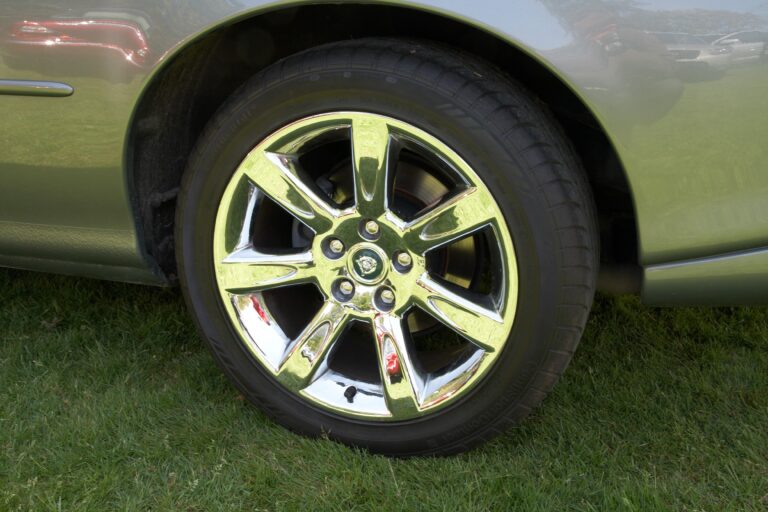
This is our main chrome guide. For specific jobs, we also have detailed guides on chrome bumpers, chrome wheels, motorcycle exhausts and scratches in chrome.
What chrome actually is
Chrome is not a solid metal part. It is a thin layer of chromium plated on top of other metals, usually nickel over copper over steel, zinc or plastic. The chromium layer is measured in millionths of an inch. The bright mirror you see is that thin top layer.
Two things follow from that:
- Chrome is hard but thin. It resists everyday scratching well, but aggressive polishing removes it, and once it is gone it cannot be polished back.
- Most dull chrome is not damaged. It is covered in a film of oxidation, water spots, road grime or light rust staining. That film is what polish removes, and the bright chrome is usually still there underneath.
Choosing a chrome polish
Polishes fall into two groups.
Abrasive polishes and compounds work by cutting. Fine grit removes the tarnished surface along with some of the metal beneath it. They are fast and they work well on solid metals like stainless steel and aluminum, where there is plenty of metal to spare.
Non-abrasive polishes lift oxidation and staining off the surface rather than grinding through it. On chrome, this is what you want. You keep the plating, and you can polish regularly without wearing it thin.
Metal Gloss is made with jewelers’ rouge, the compound used to finish gold and silver where removing material is not acceptable. It is the same principle applied to chrome: a deep, clear shine without cutting into the plating. Because it is gentle, the same bottle works on aluminum, stainless steel and brass too. If you are not sure whether a job needs a cleaner or a polish, see metal polish vs metal cleaner.
How to polish chrome by hand
What you need
- Car wash soap or mild dish soap and water
- A non-abrasive chrome or metal polish
- Three or four clean microfiber cloths
- A soft detailing brush for edges, badges and recesses
- A sealant to finish, such as Sealer Gloss
Step by step
- Wash and dry. Every speck of grit left on the surface becomes a scratch when you start rubbing. Rinse first, wash with soap, and dry completely.
- Work in the shade on cool metal. Polish that dries too fast is hard to buff and can streak.
- Apply a small amount of polish to the cloth, not directly onto the chrome.
- Work a small area at a time, roughly the size of your hand, using straight overlapping passes and moderate pressure. On long parts like bumpers, trim and pipes, follow the length of the part.
- Watch the cloth. It turns grey or black as oxidation lifts. That means the polish is working.
- Turn to a clean area of the cloth as soon as it is loaded, so you are not pushing old residue back onto the chrome.
- Buff with a fresh, dry microfiber until the surface is clear and reflects sharply.
- Repeat on heavily dulled areas. Neglected chrome often needs two or three passes. More passes beat more pressure.
- Seal it. See below.
Homemade chrome polish: what works and what doesn’t
Searches for homemade chrome polish are common, and some of the remedies have a grain of truth. Here is an honest rundown.
Aluminum foil and water. Useful for one job: light rust spots on chrome. The foil is softer than chrome, and the aluminum reacts with the rust. It does not produce a polished shine and does nothing for scratches or general dullness.
White vinegar. Good for water spots and hard water deposits on chrome fixtures, then rinse thoroughly. It cleans; it does not polish or protect.
Baking soda and toothpaste. Both are mild abrasives with uneven particle sizes. They can leave fine haze and micro-scratches on good chrome, which is the opposite of what you want.
Cola. The phosphoric acid loosens rust, but the sugar leaves a sticky residue that attracts dirt. It needs rinsing and still does not polish.
WD-40 and similar sprays. They displace moisture and add a temporary shine, but they leave an oily film that collects dust and does not remove oxidation.
Silver polish. Works on chrome in principle, as both are meant to brighten without damaging soft or thin metal. The catch is that many silver polishes are designed for small items and include tarnish inhibitors that leave residue on larger surfaces. A metal polish made for chrome and silver alike avoids that.
Home remedies can clean. None of them refine and protect the surface the way a proper polish and sealant do.
Chrome around the house
Faucets, shower heads, towel rails and appliance trim are chrome-plated too, and the same rules apply.
- Clean off soap scum and hard water deposits first. A little white vinegar on a cloth, then rinse.
- Polish gently with a non-abrasive polish and buff dry.
- Never use scouring pads or abrasive bathroom cleaners on chrome fixtures. They dull the plating permanently.
- Wipe fixtures dry after use to prevent water spots coming back.
Is it real chrome?
Before polishing, check the part is actually chrome-plated metal.
- Chrome-plated plastic (most modern grilles, badges and mirror caps) feels light, sounds hollow when tapped and has a very thin metallic layer. Polish only with very light pressure.
- Chrome-look wraps and paints are not metal. Treat them like paint.
- Polished aluminum and stainless are often mistaken for chrome. Polish on a white cloth turns black almost immediately on aluminum. Both take polish well but behave differently. See our guides to aluminum and stainless steel.
Rust and pitting on chrome
Light rust spotting, the orange dots that appear on chrome left damp or salted, usually polishes off. Pitting is different: once rust has eaten through the plating into the base metal, the metal is gone. Polishing will clean and brighten it so it is much less noticeable, but it cannot fill the pits.
Run a fingernail over the area. If it glides, polish will handle it. If it catches, there is pitting. Our article on whether metal polish removes rust goes into this in detail.
Keeping chrome shiny
Freshly polished chrome is clean metal exposed to air, moisture, road salt and grime. Without protection it starts to dull again within weeks.
- Seal after polishing. Sealer Gloss puts a protective layer over the chrome so water beads off and dirt rinses away rather than bonding to the surface. Our article on why sealing matters explains what it protects against.
- Rinse salt off promptly in winter. See our road salt guide.
- Dry chrome after washing to prevent water spots.
- Polish lightly every two to three months rather than restoring heavy oxidation once a year.
Used in this guide


Frequently asked questions
What is the best way to polish chrome?
Wash and dry the chrome, then apply a non-abrasive polish with a microfiber cloth to small sections using straight passes and moderate pressure. Buff with a clean dry cloth and seal the finish so it lasts.
What should I use to polish chrome?
A non-abrasive chrome or metal polish. Chrome is a thin plated layer, so abrasive compounds slowly wear it away. A polish based on jewelers’ rouge lifts oxidation without removing plating.
Does homemade chrome polish work?
Some home remedies clean chrome. Aluminum foil and water removes light rust spots and vinegar removes water spots. None of them polish or protect, and abrasive ones like baking soda and toothpaste can leave fine scratches.
Can you use silver polish on chrome?
It can work, but many silver polishes are made for small items and leave tarnish-inhibitor residue on larger surfaces. A metal polish formulated for chrome and silver alike is the simpler choice.
Can I polish chrome with a machine?
It is possible but risky. A machine builds heat and pressure quickly and can cut through chrome plating. Polishing by hand gives the control a thin plated surface needs.
How do I polish chrome-plated plastic?
Very gently. Use a non-abrasive polish, light pressure and a soft cloth, and test a hidden spot first. The metallic layer on plastic trim is much thinner than on plated steel.
Why does my chrome go dull again so quickly?
Polished chrome is exposed to moisture, salt and grime, which form a new film within weeks. Sealing after polishing slows this down considerably.
How often should chrome be polished?
Every two to three months is enough to keep chrome bright once it has been restored and sealed. Vehicles exposed to winter salt need attention more often.
Getting started
Wash first, use a non-abrasive polish, work small areas with straight passes, change cloths often, and seal when you are done. That is genuinely all there is to it, and chrome that looks past saving usually comes back far better than expected.
For a whole vehicle, the 2 Metal Gloss + 1 Sealer Gloss bundle covers polishing and protection in one order with free shipping, and it is our most reviewed product.