How to Get Scratches Out of Chrome (And When You Can’t)


Short answer: light scratches and swirl marks that sit in the very top of the chrome can be polished out, or polished down until you cannot see them, with a fine non-abrasive polish and a clean microfiber cloth. Scratches that have gone through the chrome cannot be polished out, because chrome plating is measured in millionths of an inch and there is nothing left to level. The quickest way to tell which you have is to look at the color at the bottom of the scratch.
Most advice online treats every scratch the same and reaches for something abrasive. On chrome that is how a small mark becomes a dull patch. Spend thirty seconds diagnosing first.
Read the scratch before you touch it
Automotive chrome is not solid. It is a stack of thin layers: the base metal (usually steel, sometimes zinc or plastic), often a layer of copper, then nickel, then a very thin skin of chromium on top. The chromium gives the blue-white mirror. The nickel underneath does most of the work.
That stack is useful, because how deep a scratch goes changes what you see at the bottom of it.
Same color as the chrome, only visible at an angle
This is a surface scratch or swirl mark. It sits in the chromium or the top of the nickel. These are the ones polish fixes. A non-abrasive polish rounds off the edges so light stops catching them, and on fine marks they disappear.
Slightly darker or more yellow-silver than the chrome around it
You are through the chromium and looking at nickel. Polish will brighten it and blend the edges, which often makes it hard to spot from a normal distance, but the line is still there. Keep expectations at “much less noticeable” rather than “gone”.
Copper or pinkish orange
You are down to the copper layer. Polishing will not hide it and working hard at it only widens the bare area. This needs re-plating if it bothers you.
Dark grey, black or rust colored
That is the base metal. On steel it will rust, which spreads under the plating and lifts it. Seal it to slow that down (more below), and plan on re-chroming the part if appearance matters.
The fingernail test: drag a fingernail gently across the scratch. If it glides over, polish can do a lot. If it catches, the scratch has depth and polish will only improve how it looks, not remove it.
Is it actually chrome?
A lot of modern “chrome” is not chrome plating at all, and this catches people out more than anything else.
- Chrome-plated plastic (grilles, badges, mirror caps, door handles on most cars from the last twenty years). Tap it. Plastic sounds hollow and feels warm. The metallic layer is extremely thin and wears through quickly, so use the lightest possible touch and test on a hidden edge first.
- Chrome-look vinyl wrap or paint. Common on trim and wheels. Metal polish can haze it. Treat it as paint, not metal.
- Polished stainless or aluminum. Often mistaken for chrome. Rub a hidden spot with a white cloth and polish: if the cloth turns black almost immediately, it is aluminum, which takes polish far more readily than chrome and is covered in our aluminum wheels guide.
Real chrome plating on steel, the kind on classic bumpers, motorcycle parts and older trim, is the case this guide is mainly about.
Removing light scratches and swirls
What you need
- Car wash soap and water
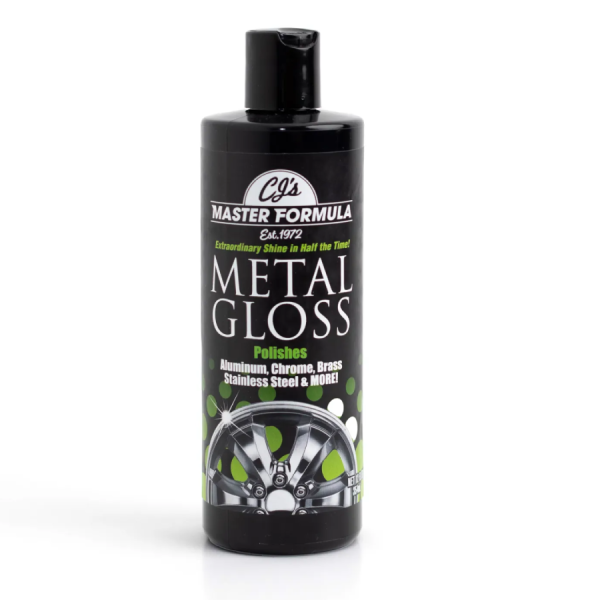
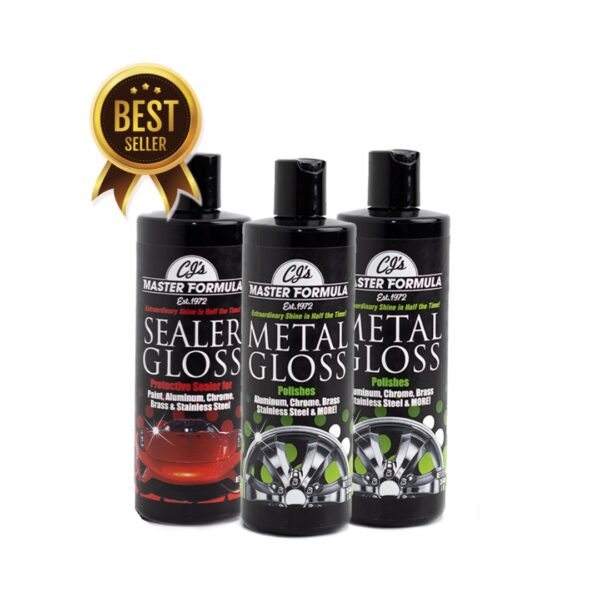
- A non-abrasive metal polish, such as Metal Gloss
- Three or four clean microfiber towels
- Painter’s tape if the scratch is near paint or rubber
Step by step
- Wash and dry the area properly. One grain of grit dragged across chrome makes a new scratch while you are fixing the old one. Most “I made it worse” stories start here.
- Put a small amount of polish on a folded cloth, not on the chrome.
- Work along the scratch, not across it. Short, overlapping strokes in the same direction as the mark, with moderate pressure. Circles and cross-hatching spread the damage into a hazy patch.
- Keep the area small, a few inches either side of the scratch.
- Buff with a clean towel and check from several angles under good light. Scratches hide in shade and reappear in sun.
- Repeat two or three times rather than pressing harder. Pressure is where swirl marks come from.
- Stop once it stops improving. If three passes made no further difference, you have reached the depth polish can reach.
Why a non-abrasive polish matters here: abrasive compounds cut by removing metal. On solid stainless that is fine. On chrome, every pass of an abrasive takes plating you cannot put back. Metal Gloss is made with jewelers’ rouge, the fine compound used on gold and silver, so it refines the surface and lifts oxidation without grinding the plating away. That is the behavior you want when you are working right at the edge of a thin layer.
Making deeper scratches less visible
For scratches through to the nickel or copper, the aim changes from removing to disguising and protecting.
- Polish the whole panel, not just the scratch. A scratch stands out most against dull, oxidized chrome. Bring the entire surface up to a clean mirror and a fine line becomes very hard to see.
- Clean the scratch itself. Dirt packed into a groove turns it into a dark line. A soft brush and a little polish worked into it lightens it noticeably.
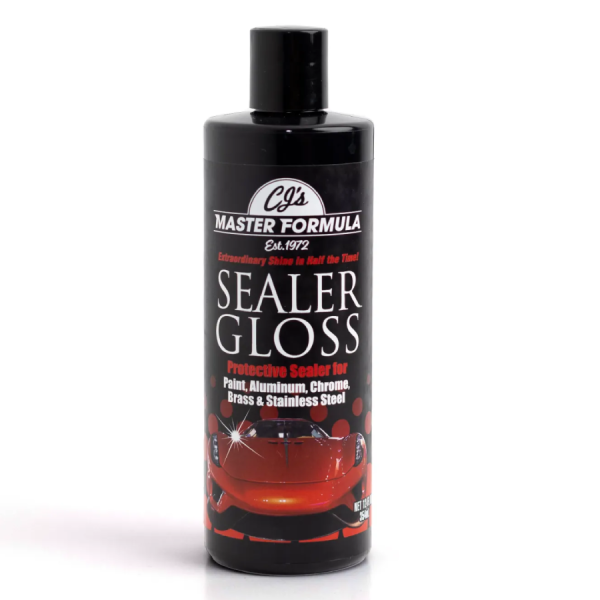
- Seal it. On a scratch down to bare steel, moisture is the real threat. A coat of Sealer Gloss over the whole area keeps water out of the exposed edge and slows rust creeping under the plating.
What not to use
Steel wool. Even the finest grade scratches chrome, and the steel fibers it leaves behind rust in place and stain.
Toothpaste and baking soda. Both are mild abrasives with inconsistent particle sizes. On a deep scratch they do nothing useful, and on good chrome they leave a fine haze across a wider area than the scratch you started with.
Aluminum foil and water. A genuinely useful trick, but for light rust spots on chrome, not scratches. The foil is softer than chrome and does not level anything.
Rubbing compound for paint. Designed to cut clear coat. On chrome it removes plating fast.
Power tools. A rotary polisher builds heat and pressure in one spot and can burn through plating in seconds. By hand gives you the control a thin layer needs.
When re-chroming is the answer
If the scratch shows copper or bare metal, sits on a part you care about, and you want it gone rather than hidden, re-plating is the only true fix. A plater strips the part, repairs the base metal and rebuilds the copper, nickel and chrome layers. On a classic bumper that is often worth doing. On a modern plastic trim piece, a replacement part is usually cheaper.
Until then, keeping the chrome around it bright and sealed is what stops one scratch turning into a rusty, flaking patch.
Keeping new scratches away
- Never wipe chrome dry or dusty. Rinse first, every time.
- Use separate towels for chrome and wheels. Brake dust is mostly iron particles and scratches anything.
- Seal after polishing. A sealed surface sheds dirt instead of holding it against the chrome.
- Polish lightly and often rather than hard and rarely.
If the scratches are on a bumper, our guide to polishing chrome bumpers without scratching them covers technique around badges, trim and paint edges in more detail.
Used in this guide
Frequently asked questions
Can you polish scratches out of chrome?
Light scratches and swirl marks in the top layer of the chrome can be polished out or polished until they are not visible. Scratches that have gone through the chrome plating cannot be removed by polishing, because the plating is too thin to level. Polishing makes them less noticeable but they stay.
How can I tell how deep a chrome scratch is?
Look at the color at the bottom of it. Same color as the chrome means it is in the surface and will polish out. Slightly darker or yellower means you are into the nickel layer. Copper or pinkish orange means you are down to copper, and dark grey or rust means bare metal. A scratch that catches your fingernail has real depth.
Does toothpaste remove scratches from chrome?
Not reliably. Toothpaste is a mild abrasive with uneven particle sizes. It does little to a real scratch and can leave a fine haze over a wider area of good chrome. A non-abrasive metal polish does the job more evenly.
Can I use steel wool on scratched chrome?
No. Even fine steel wool scratches chrome plating, and the steel fibers it leaves behind rust and stain the surface.
Will metal polish damage chrome-plated plastic?
It can if you press hard, because the metallic layer on plastic trim is extremely thin. Use a non-abrasive polish, very light pressure and test on a hidden edge first. Chrome-look vinyl wrap and paint should not be treated with metal polish at all.
How do I stop a deep chrome scratch from rusting?
Keep moisture out of it. Clean the scratch, polish the surrounding chrome, and apply a sealant over the whole area. That slows rust forming on the exposed base metal and creeping under the plating until the part can be re-chromed.
Should I polish chrome scratches by hand or with a machine?
By hand. A machine concentrates heat and pressure in a small area and can cut through chrome plating in seconds. Hand polishing gives the control a thin plated layer needs.
Is it worth re-chroming a scratched part?
If the scratch shows copper or bare metal and the part matters, such as a classic bumper, re-plating is the only way to remove it completely. For modern plastic trim, replacing the part is usually cheaper.
Getting started
Diagnose first: color at the bottom, fingernail test, and make sure it really is chrome. Then wash, work along the scratch with a non-abrasive polish, stop when it stops improving, and seal the finish. Most chrome looks far better after twenty careful minutes than people expect.
If you are doing a whole vehicle, the 2 Metal Gloss + 1 Sealer Gloss bundle covers polishing and protection in one order with free shipping.